The NBA draft eligibility requires players to be at least 19 years old during the calendar year of the draft.
THE BIG BABY OF THEM ALL
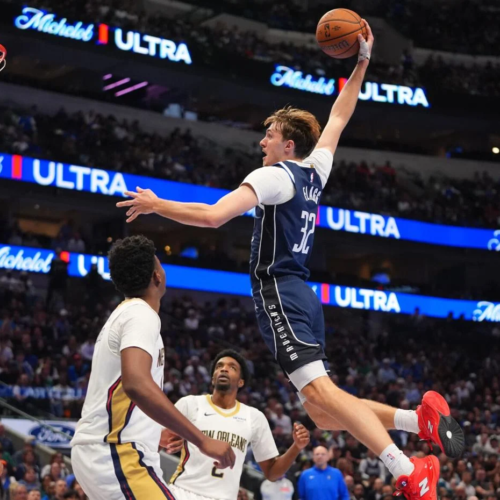
As of the 2025-26 NBA season, there are several players aged 20 or younger (under 21), including notable young talents like 19-year-old Cooper Flagg (born 2006) and Alex Sarr (age 20). While an exact, real-time total fluctuates based on call-ups and injuries, typically, the league features a handful of players under 21, as minimum eligibility requires players to be at least 19 years old.
Youngest Active Player: Cooper Flagg (19 years, 30 days as of late 2025).
Other Under-21 Players: Alex Sarr (20 years old).
The NBA draft eligibility requires players to be at least 19 years old during the calendar year of the draft
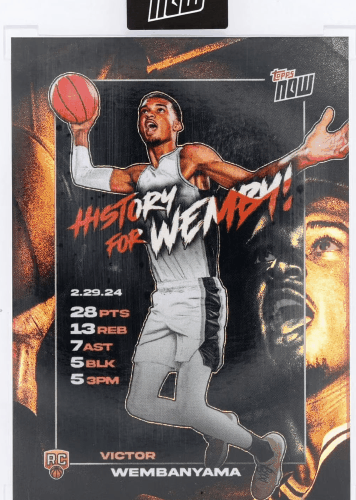
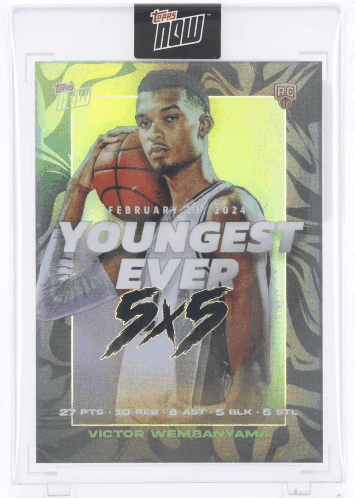
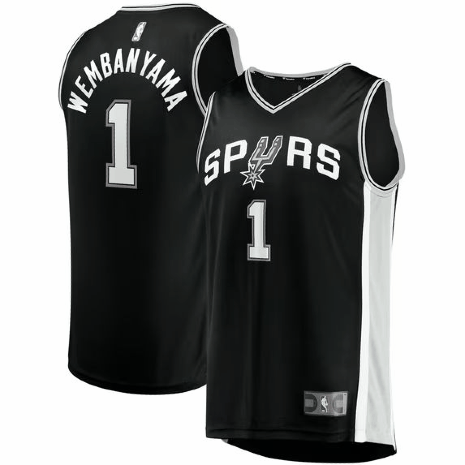
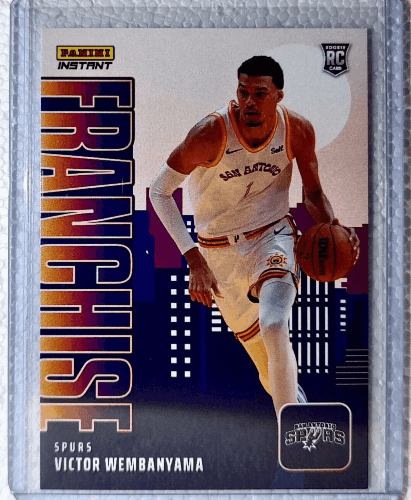
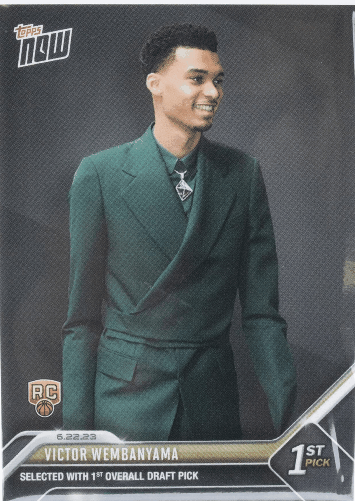
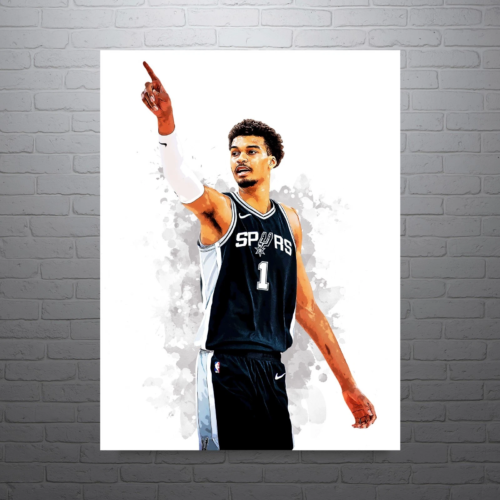
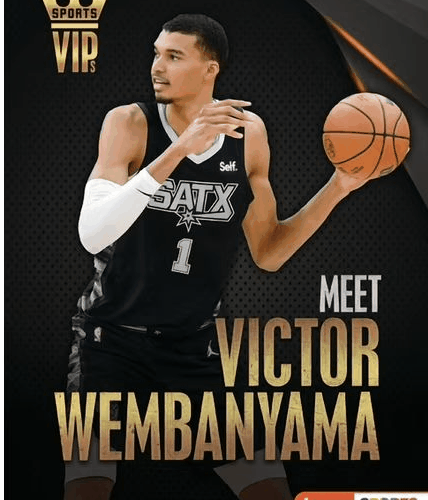
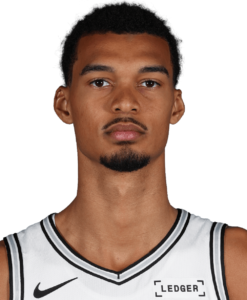
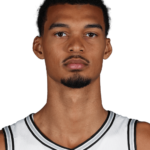
Based on data for the 2025-26 NBA season, there are over 60 players currently younger than 22 years old, with Victor Wembanyama (21) and 2025 top pick Cooper Flagg (19) leading a large group of young talent, according to HoopsHype’s analysis.
Key details regarding young NBA players:
Youngest Player: As of December 2025, Cooper Flagg is the youngest active player in the NBA.
Age Profile: The league features a high volume of players aged 19-21, often consisting of recent draft picks and sophomores, notes HoopsHype’s report.
Draft Impact: Many of these players are top picks from the 2023, 2024, and 2025 NBA Drafts, which significantly contribute to the under-22 demographic.
As of the beginning of the 2024-25 NBA season, there are over 70 active players who were born after LeBron James made his NBA debut on October 29, 2003.
Because LeBron’s debut was on Oct 29, 2003, any player born after that date was younger than 21 when the 2024-25 season began. Expanding the criteria to under 23 years old (essentially anyone born in 2002 or later, depending on the exact date), the number is significant, as over 80 players were born after his debut.
Youngest Active Player: Cooper Flagg (born December 21, 2006) is the youngest in the NBA.
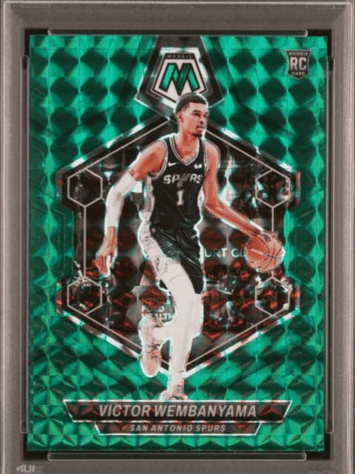
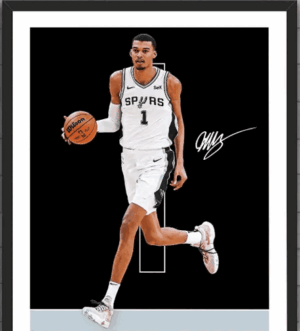
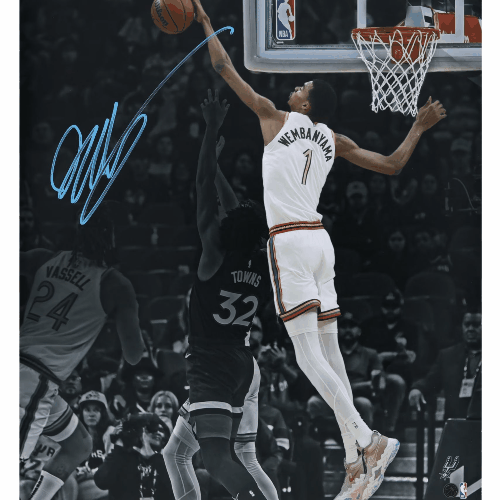
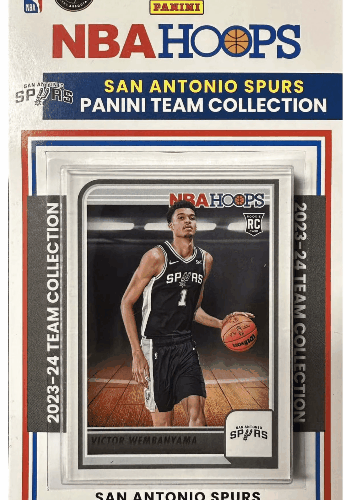
Key “Under 23” Talent: Many of the NBA’s top young players are within this age range, including Victor Wembanyama (20-21), Chet Holmgren (21-22), Paolo Banchero (21-22), and Stephon Castle.
Draft Class Focus: Nine of the top 10 youngest players on NBA rosters for the 2024/25 season were selected in the 2024 NBA draft.
Based on data from the beginning of the 2024-25 NBA season, there are 75 active NBA players who are younger than 24, according to an analysis of players who have played this season.
This group of young players includes several high-impact players, rookies, and sophomores, such as:
19-year-olds: Cooper Flagg (2025 draft), Bub Carrington, Zaccharie Risacher, Ronald Holland II, and Tidjane Salaün.
20-22 year-olds: Victor Wembanyama, Bilal Coulibaly, Cason Wallace, and Dereck Lively II.
Young Teams: The Oklahoma City Thunder, Portland Trail Blazers, and San Antonio Spurs entered the 2024-25 season with some of the youngest rosters, averaging just over 24 years of age.
This number represents a significant portion of the league’s roughly 450–500 active roster spots (including two-way contracts), highlighting a major influx of young talent into the league.
As of the 2024-25 NBA season, there are approximately 453 active players, a number that fluctuates based on injuries and roster changes, World Population Review says. Total roster spots (including injured list and two-way contracts) across 30 teams usually hover around 500-600 active, according to Statista data.
Active Players: 444–453 (2024–2026 season estimates).
Total Roster Capacity: Generally around 15 players per team + 3 two-way contracts, roughly 18 players per team.
Context: Only 1.2% of NCAA men’s basketball players end up drafted by an NBA team.
There are approximately 540,000 to 550,000 high school boys basketball players in the United States, according to recent data from the National Federation of State High School Associations (NFHS) and NCSA. It is one of the most popular high school sports in the country, often ranking third in participation behind football and outdoor track.
Key details regarding participation:
Total Participants: Various reports place the number around 537,000 to 541,000.
College Transition: Roughly 3% to 6% of these high school players continue to play at the college level (NCAA, NAIA, etc.), which equates to roughly 18,000–34,000 players.
Popularity: Boys’ basketball is widely played, with high participation rates in states like Indiana, Texas, and California.
While over half a million play at the high school level, only a small percentage advance to collegiate, and even fewer to professional levels
While there is no exact, publicly available, or single database recording the precise number of high school-aged (roughly 14-18) male basketball players in Europe, the number is extremely large due to the sport’s high popularity and club-based structure rather than school-based teams. Basketball is the second most popular sport in Europe behind football.
Structure: Unlike the U.S. high school model, youth in Europe generally play for local clubs, which have teams across various age groups, often starting at under-12 or under-14 levels.
Scale: In countries like Lithuania, which has a strong, small population, there are 138 registered clubs with extensive, year-round youth programming.
Talent: Europe is a major producer of elite, high-level teenage talent, as evidenced by the 20 Under 20, or rising stars, identified annually by FIBA.
While data in the US shows over 500,000 high school boys basketball players, European participation is likely, on a per-capita basis, comparable or higher in specific basketball-focused nations, though structured differently
There are approximately 5,500 to 5,800 men’s basketball players in NCAA Division I, competing across roughly 350-365 schools. With about 15 players allowed per roster, this high-level competition is extremely exclusive, as only around 1% of high school players make it to the Division I level.
Total D1 Men’s Players: 5,607 (as of March 2025).
Alternative Data: Some reports indicate approximately 5,278 to 5,826 players, depending on the number of schools analyzed.
Schools: There are 361 full-member Division I institutions.
Roster Size: While scholarships are limited (13), the new, higher roster cap is 15 players.
For context, there are about 18,000 total NCAA basketball players across all divisions (DI, DII, DIII)
As of the 2024-25 NBA season, there are over 20 active players with fathers who played in the NBA, and estimates for second-generation players in the league have been as high as 4.9%. Notable examples include Stephen Curry (Dell), Klay Thompson (Mychal), Al Horford (Tito), and LeBron and Bronny James.
Second-generation NBA players are common, and in recent years, they have made up roughly 4.9% of the league, marking an increase from 1.6% in 2001, making the NBA second only to the NHL in terms of familial legacies among the major North American sports.
Key Active Second-Generation NBA Players:
Stephen Curry (Dell Curry): One of the most famous examples, with his father, Dell, playing 16 seasons.
Devin Booker (Melvin Booker): Son of former NBA player Melvin Booker.
Jaren Jackson Jr. (Jaren Jackson): Son of NBA veteran Jaren Jackson.
Jett Howard (Juwan Howard): Son of former NBA star Juwan Howard.
Several other players, including Seth Curry, Kevin Love, and Tim Hardaway Jr., are part of this group of players whose fathers played in the league.
Several NBA players have grandfathers who also played in the league, representing a rare third-generation (or 2nd-gen grandfather-grandson) connection. Documented examples include Marvin Bagley III and Marcus Bagley (grandsons of Joe Caldwell), Jason and Jeryl Sasser (grandsons of John Barber), Shavlik Randolph (grandson of Ronnie Shavlik), and Ish Wainright (grandson of Maurice King).
Key Examples of NBA Grandfather-Grandson Duos:
Joe Caldwell: Grandfather to Marvin Bagley III and Marcus Bagley.
John Barber: Grandfather to Jason Sasser and Jeryl Sasser.
While many players have fathers who played in the NBA (second-generation), the grandfather-grandson link is much less common, with only a few specific instances identified in league history
Several NBA
fathers
how many NBA players have fathers that played professionally in nba
More than 80 pairs of fathers and sons have played in the NBA throughout its history. While an exact, constantly updated, real-time count for every single active season is not always maintained in official records, over 20 players on league rosters at the start of the 2023-24 season had fathers who previously played in the NBA.
Key details regarding father-son NBA duos include:
Historical Count: Approximately 80 sets of fathers and sons have played in the NBA.
Active Players: At the start of the 2023-24 season, more than 20 players had fathers who played in the league.
Milestone: In 2024, LeBron and Bronny James became the first father-son pair to play together in the NBA.
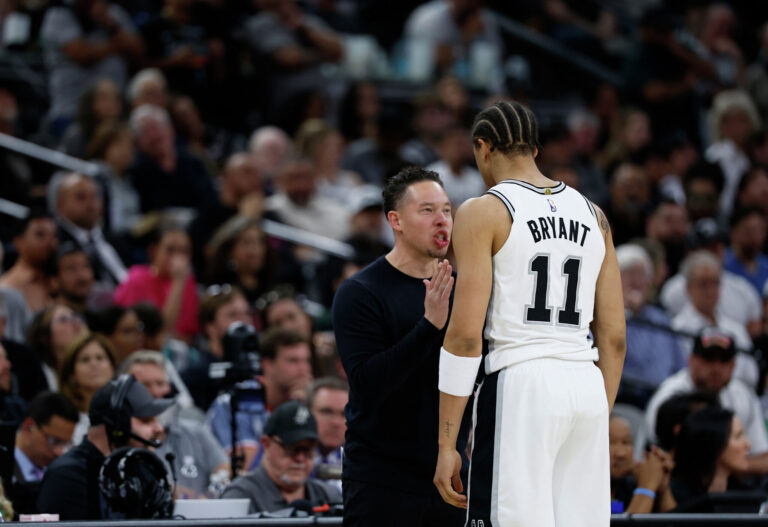
Examples: Notable second-generation players include Stephen and Seth Curry (sons of Dell Curry), Kobe Bryant (son of Joe Bryant), and Klay Thompson (son of Mychal Thompson).
The trend of second-generation players in the NBA is growing, with a significant number of players in recent years having fathers who played in the 1990s and 2000s.