Today, the New York City NBA basketball team is globally known as the New York Knicks. The current teams’ nickname ‘Knicks’ stems from the organization’s actual original name Knickerbockers. The name “Knickerbockers” comes from the loose-fitting pants rolled up just below the knee, which were worn by Dutch settlers who colonized New Amsterdam (now New York) in the 1600s. The first basketball players of the 20th century (1900’s) wore knickerbockers as basketball uniforms. The New York Knickerbockers officially shortened their name to the New York Knicks before the start of the 1949–1950 NBA season. Fans and the media had already been using “Knicks” as a shorthand nickname since the franchise was founded in 1946.
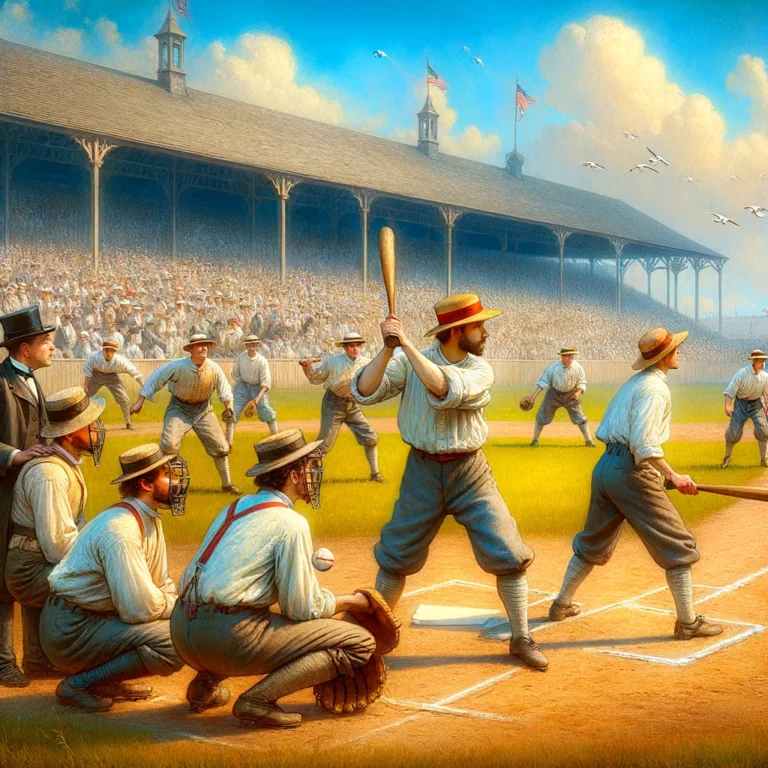
The original name Knickerbockers goes back to the 1858 New York Baseball team. These players set the Knickerbocker pants fashion style.
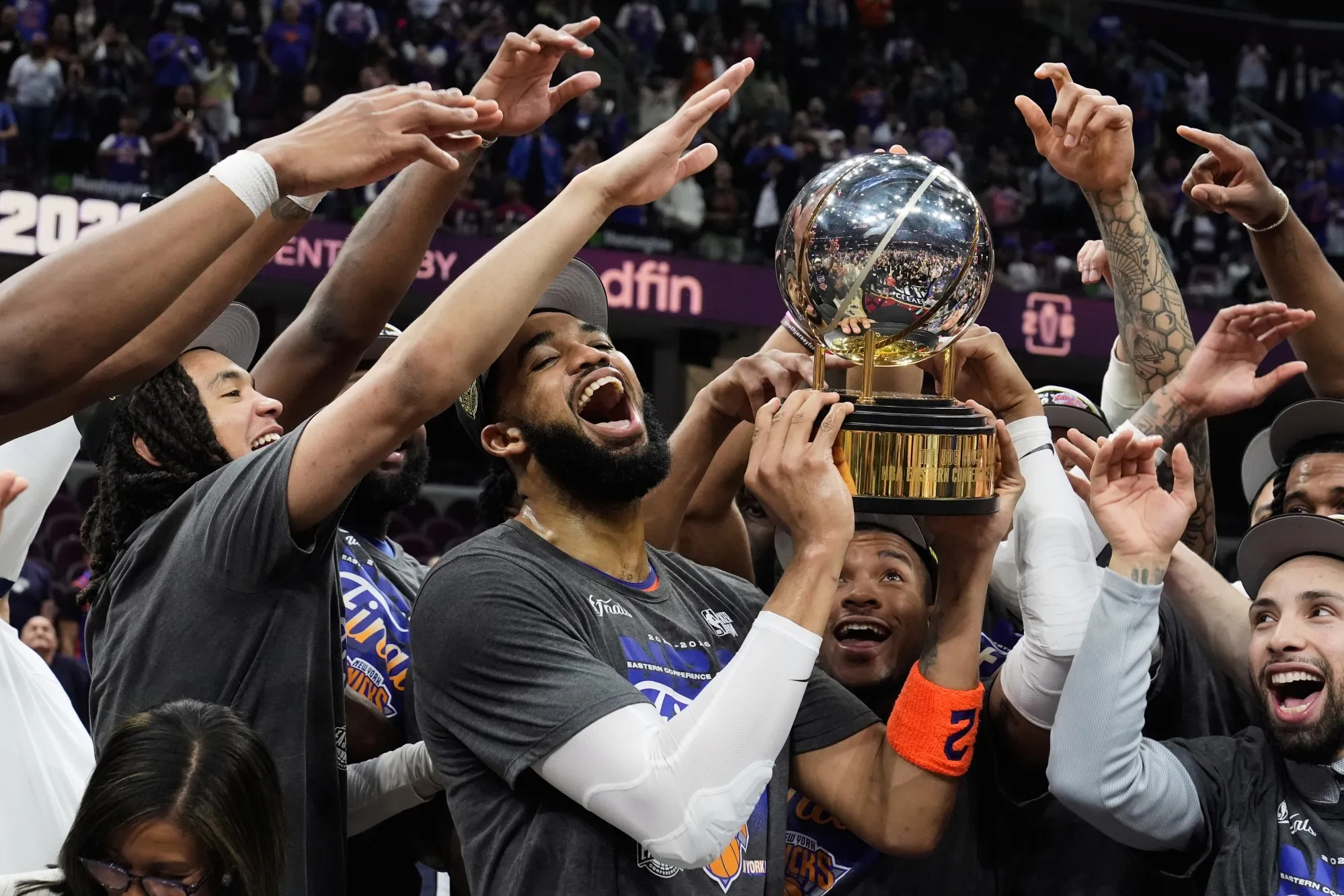
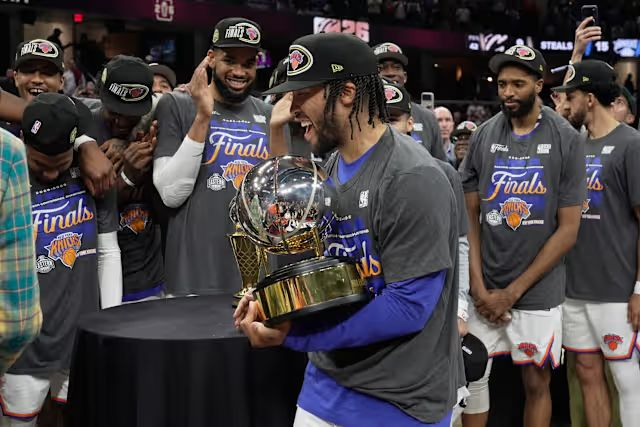
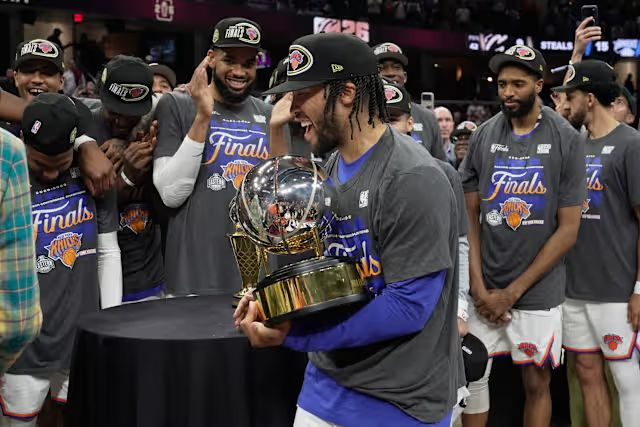
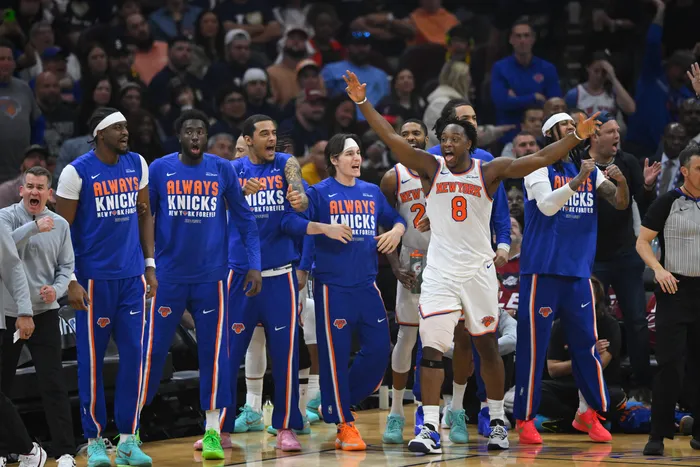
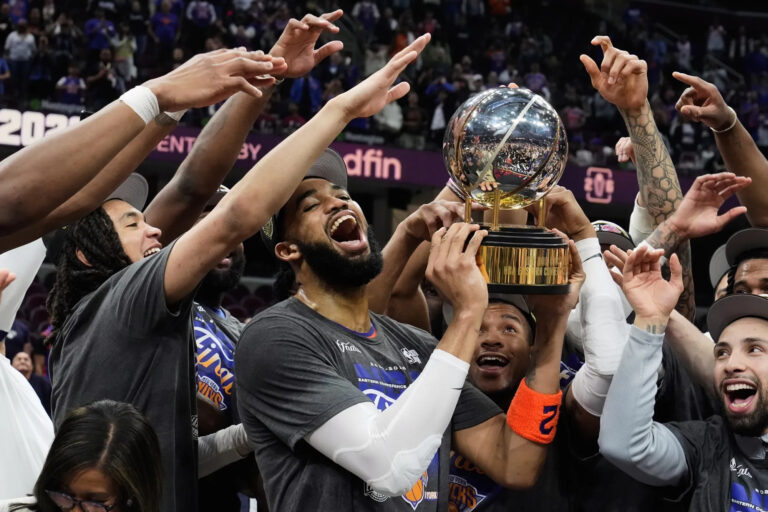
The New York Knickerbockers advanced to the 2026 NBA Finals by winning the first four games of the 2026 Eastern Conference Playoffs Finals against the Cleveland Cavaliers on Monday the Memorial Day Weekend Holiday. The Knicksdominated every game in the series from start to end.
The NY Knicks return to the NBA Finals after a 27 year hiatus. The world of basketball will now witness the return of the game to its roots as the Knicks attempt to win the crown jewels of an NBA Championship Trophy and Gold Diamond rings!
New York City is well know as the ‘Capitol of Basketball’ with a deep rich history reaching into the 1946 origins of the NBA, and to the first professional professional basketball teams and players from 1900 -48 .
New York City, NY, as hosting one of the very first professional basketball teams and a National Basketball Association (NBA) original pillar organization, has a long history and connection to the game. For many decades, NYC was famous for having the best professional players and the best amateur players in their many famous outdoor park games. Ruckers Park, the Greenich Village Chain Court and many more locations became famous hoops locations throughout the entire world.
Dozens of globally famous players have roots into the famous outdoor park tournaments. Kareem Abdul-Jabbar, Julius Irving top the list of hundreds of great players who came from the street game of New York … … .
The First NYC Champions the 1949 New York Knicks:
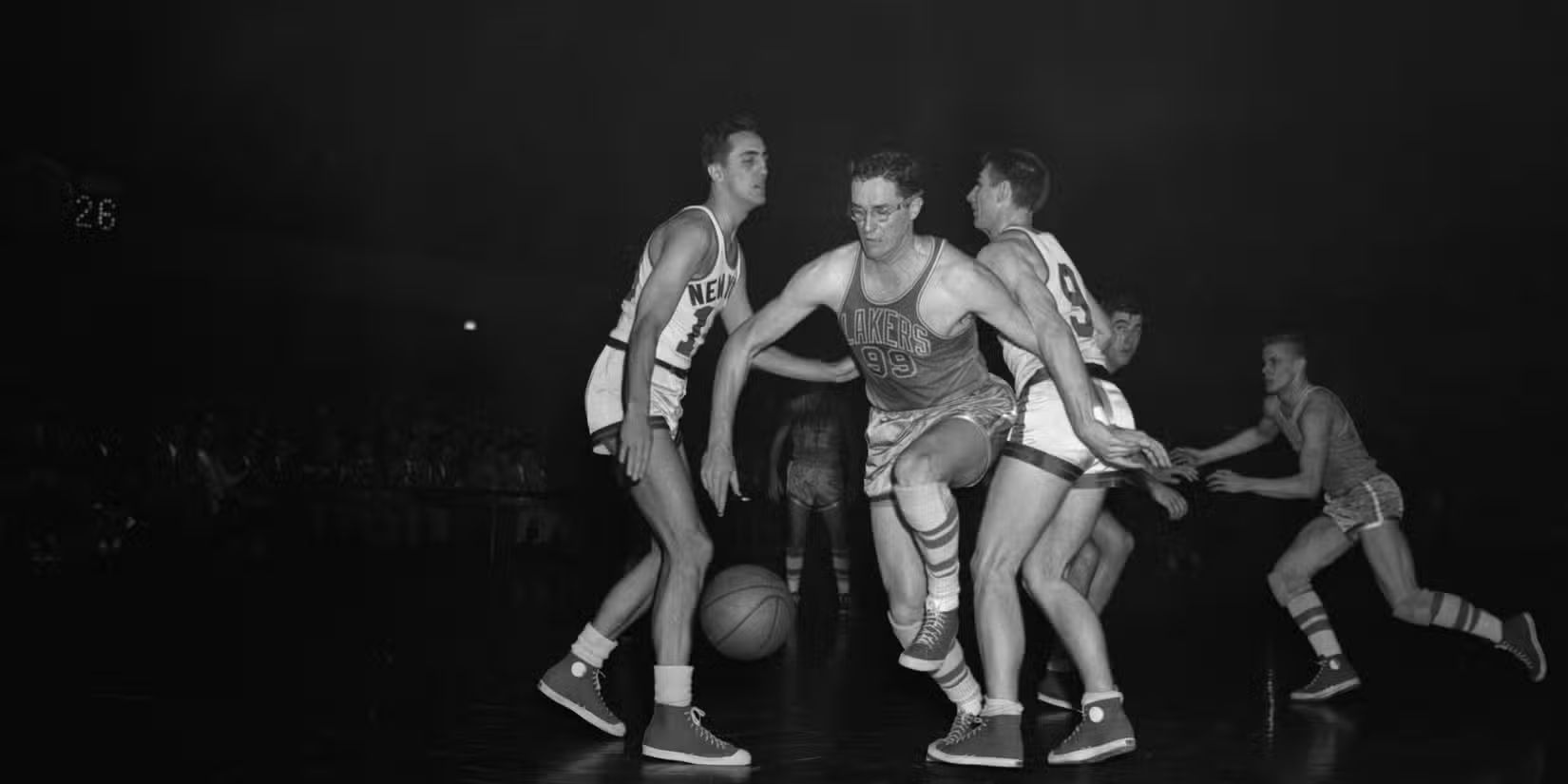
Coached by Joe Lapchick, the Knicks finished the 1949–50 season with a 40-28 record, placing 2nd in the Eastern Division and making it to the Eastern Division finals. Their roster featured notable players like Carl Braun, Harry Gallatin, and Dick McGuire
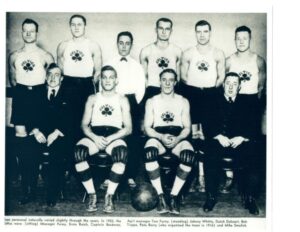
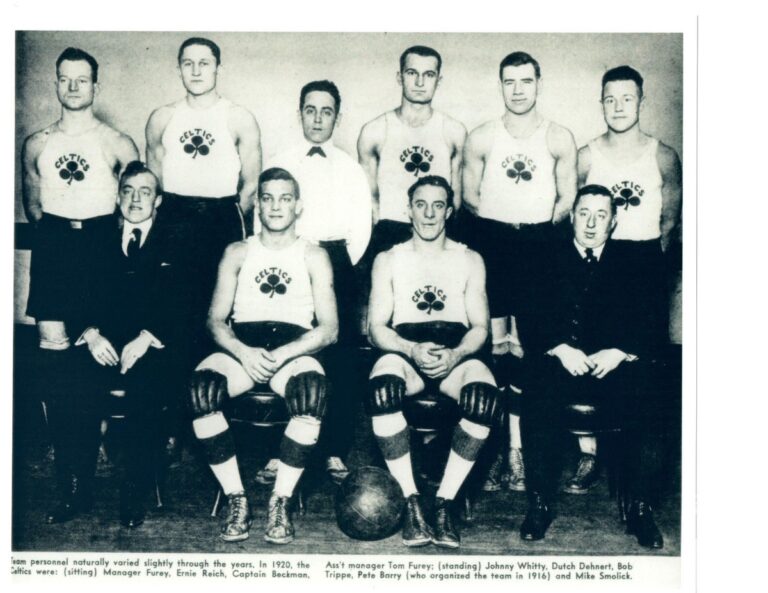
They city holds proud and rightful ownership to the game of basketball’s origins. But don’t dare mention it to a proud current day Knick fan in New York City, but the very first NYC professional basketball team was called the NY CELTICS. Yes, it is true and factual … the 1918 New York Celtics were NYC’s first professional basketball team.
A good understanding of how professional basketball teams operated and made money in the 1910 to 1930 time period can be found in a review of the 1918 (New York ) NY Celtics.
There is NO team organizational relationship to the current day Boston Celtics with the early NY Celtics. Coincidentally they share a nickname. But in today’s NBA, the Knicks and Celtics remain strong rivals, so be very careful what you say about the NY Celtics in the presence of Knick fans. Asking the nickname of the first pro team in NYC, does, however, make a great trivia question or a good bar bet in New York City, if you are willing to take the risk.
The Original 1918 N.Y Celtics were a barnstorming professional American basketball team. At various times in their existence, the team played in the American Basketball League, the Eastern Basketball League and the Metropolitan Basketball League.
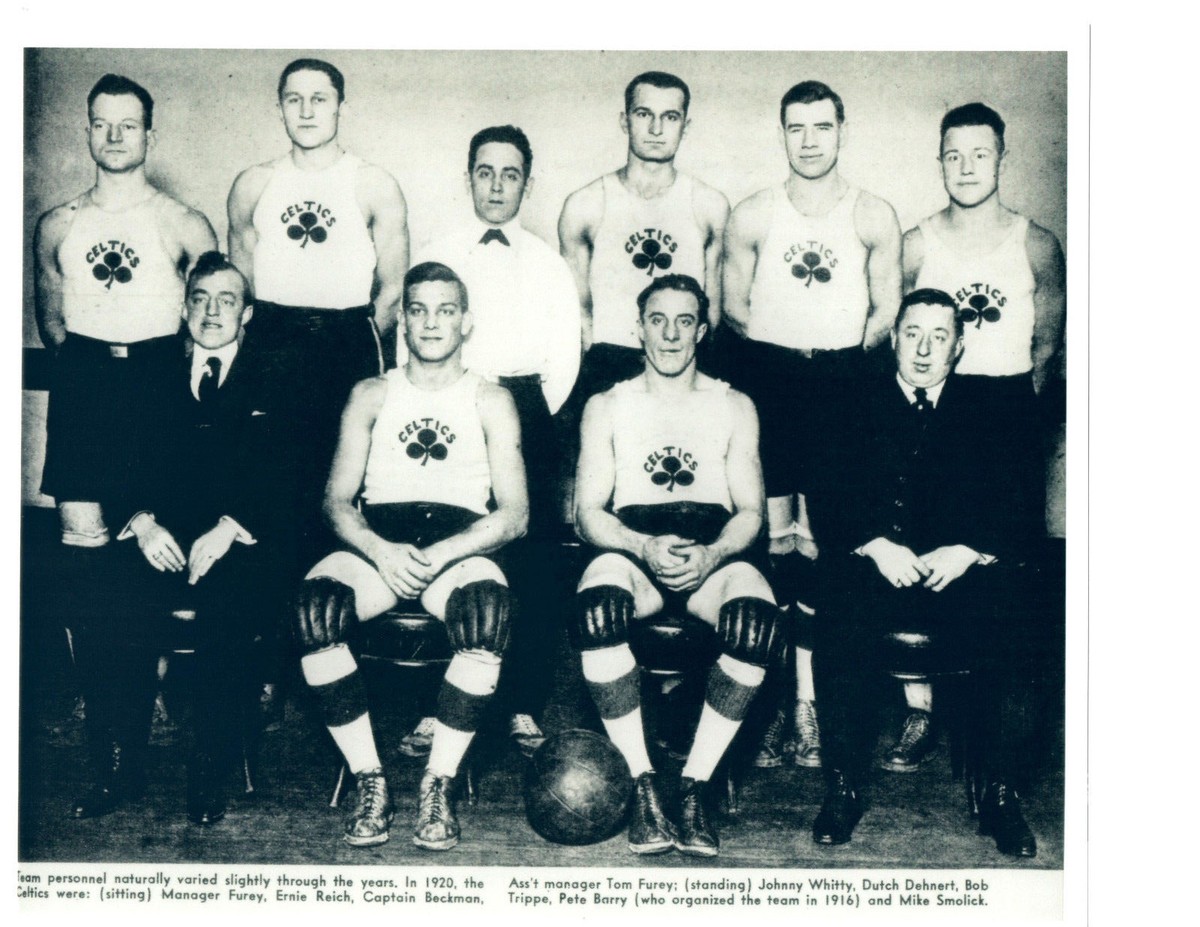
The N.Y. Celtic’s roots lay in the New York Celtics team that disbanded during World War One. In 1918, James Furey assembled his own team around a nucleus of those truly “original” Celtics, adding other players mostly from the West Side of New York City, and defiantly called his new squad the Original Celtics. Initially, they played in various struggling professional leagues, before becoming primarily a touring squad, which traveled up to 150,000 miles a year while completing a 150–200 game schedule. They won about ninety percent of their games and finished 1922–23 with the unbelievable record of 193–11–1.
Compare that playing schedule to today’s new age pampered NBA player requirement for off rest days .
After a World War II hiatus of professional basketball, in 1946 many of the NYC pre-war basketball financiers and executives created the current day NBA organization the New York (Knicks) Knickerbockers.
Next month in June, during the 2026 NBA finals games, the NY Knicks will not be wearing ‘Knickerbockers’ , but the team will always be the New York Knickerbockers to basketball fans worldwide!
A good understanding of how professional basketball teams operated and made money in the 1910 to 1930 time period can be found in a review of the N.Y. Celtics, no relationship to the Boston Celtics.
The Original N.Y Celtics in were a barnstorming professional American basketball team. At various times in their existence, the team played in the American Basketball League, the Eastern Basketball League and the Metropolitan Basketball League. ………………… The N.Y. Celtic’s roots lay in the New York Celtics team that disbanded during World War I. In 1918, James Furey assembled his own team around a nucleus of those truly “original” Celtics, adding other players mostly from the West Side of New York City, and defiantly called his new squad the Original Celtics.
Initially, they played in various struggling professional leagues, before becoming primarily a touring squad, which traveled up to 150,000 miles a year while completing a 150–200 game schedule. They won about ninety percent of their games and finished 1922–23 with the unbelievable record of 193–11–1.
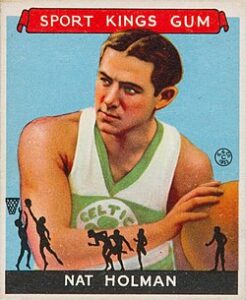
The team’s first dominant players were “Dutch” Dehnert, a 6 ft 1 in (1.85 m) standing guard who some credit with introducing the modern concept of pivot play. and Nate Holman.
… … … the team took over the Atlantic City franchise when it was 4–7 and won five of six games before the Eastern League folded in January, 1923.
…………..
They also competed in the Metropolitan League but dropped out of the league during the 1st half after going 12–0.
Other outstanding individual players on these squads were “big man”, Joe Lapchick; John Beckman, George “Horse” Haggerty; John “Pete” Barry; and speedy Davey Banks.
1925–1930: ABL Dominates
American Basketball League owners proclaimed league success during the League meeting inthe summer of 1926.
But ABL directors banned the league from playing games against the N.Y. Celtics, drying up some of their most lucrative exhibition dates.
The Celtics joined the newly organized National Basketball League. The new league operated solely in and around the metropolitan New York City, but despite its geographical limitations was stocked with some of the best players in the country. After pulling off a coup by signing the Original Celtics, the NBL brashly raided ABL rosters for additional players.
————T
Top stars of this era were: Rody Cooney, Teddy Kearns and Bob Grody, George Preston Marshall, Elmer Ripley and Tillie Voss.
Notable players: Rusty Saunders, Ray Kennedy and George Glasco, Cookie Cunningham Gil Ely., George Artus, Tom Barlow, Stretch Meehan, Soup Campbell, and Chickie Passon, Benny Borgmann, Honey Russell,
The Celtics easily disposed of the weakened Cleveland team in three straight games to take the ABL championship.
The rival leagues ABL and NBL fought each other for the best players and teams
in order to stay in business.
In 1926, the American Basketball League, the ABL, exercised their dominance and took control of professional East Coast – Mid West Basketball.
In 1929 everything changed in the entire world, game attendance plummeted and, further deflated by the Great Depression, the ABL folded after the 1931 season.
New York Celtics Video/Film footage 1929
The Mafia Takes Over the NBA
The 1950’s The Mafia, NBA, and NCAA ran a national game fixing operation The gambling scandal ran for years before it was terminated.
In the early 1950’s – Gambling was prevalent throughout society.
For professional and college players of the game, there was a lot more money in cheating than playing basketball games. The Mafia took the black hand and almost destroyed the NBA. Nobody would eventually watch rigged games. Eventually, after years of corruption, things changed … but fixing games and lottery picks has reappeared throughout the history of the NBA.
Around 5,000 unique individuals have played at least one game in the NBA, with recent figures suggesting the number is closer to 5,000 as of late 2024/2025, though exact counts vary slightly depending on the source and cutoff date, with some sources citing over 4,800 or even 5,000+ players. General Estimate: The consensus is roughly 5,000 players have suited up in the NBA.
Recent Data: As of late 2024, one source noted 4,898 players. Historical Perspective: Over 5,000 players have played in the NBA throughout its history, with many playing just a few games
.
The best basketball players of the 1920s were headlined by Nat Holman, regarded as the era’s premier all-around player and a star for the Original Celtics, alongside prolific scorer Bennie Borgmann. Other dominant figures included defensive specialists Dutch Dehnert and Joe Lapchick, plus college standouts like Paul Endacott.
Key Players of the 1920s:
Nat Holman (“Mr. Basketball”): Regarded as the best all-around player, known for his elite shooting, passing, and floor leadership with the Original Celtics.
Bennie Borgmann: One of the greatest scorers of his generation,, capturing numerous scoring titles in various leagues.
Dutch Dehnert: A standout with the Original Celtics, recognized for pioneering the pivot play and exceptional defensive skills.
Joe Lapchick: Renowned as one of the best centers of the era and a key member of the dominant Celtics team.
Paul Endacott: A star at the University of Kansas, named Helms Foundation Player of the Year in 1923.
Vern Corbin: A standout college player for Cal, earning All-America honors in 1928.
These players established the foundation for professional basketball, with many playing for the touring Original Celtics, which dominated the era’s basketball landscape
Between 1939 – 45 , during the World War II period, there were a many teams and leagues that continued to play. However, most were semi-pro positions and regional-ocal in nature.
Many young men who would be in their prime basketball years, were off fighting in a World War overseas.
Between 1930- 45 the depression and WW II did not help professional basketball expand. Nevertheless, The War did amazingly help the game grow globally as hundreds of thousands of internationally stationed military men played basketball in numerous countries 1941 until today.
This period saw basketball have a global popularity boom as the local populations began to enjoy watching and especially playing the game of basketball.
Until the 1930 ‘s film/video/ the game of basketball wasn’t available. Sound recordings were limited. Below is believed to be the first complete basketball game on film.
Prior to 1930, everything we know was passed on by personal voice of those that lived it, audio recordings, limited short visual video/film clips,
We also have the writings. Unfortunately, the death of the aging generation of early basketball has eliminated the word of mouth.
But by the 1940′ we start to see a decent amount of film on teaching and of the actual games
Below we get into a little thought the thirty’s … …