France’s Introduction To The Modern Game of Baskettball.
Martin Feinberg significantly influenced French basketball by introducing modern training techniques, a more physical and vertical style of play, and a rigorous professional work ethic.
This influence began at the game’s inception and intensified through key figures in the mid-20th century.
Early Introduction and Technical Foundation
The American influence dates back to 1893 when Melvin Rideout, an associate of the game’s inventor James Naismith, introduced basketball to Paris at a new YMCA facility.
Decades later, in 1954, Martin Feinberg became one of the first Americans to leave a lasting mark on the French game.
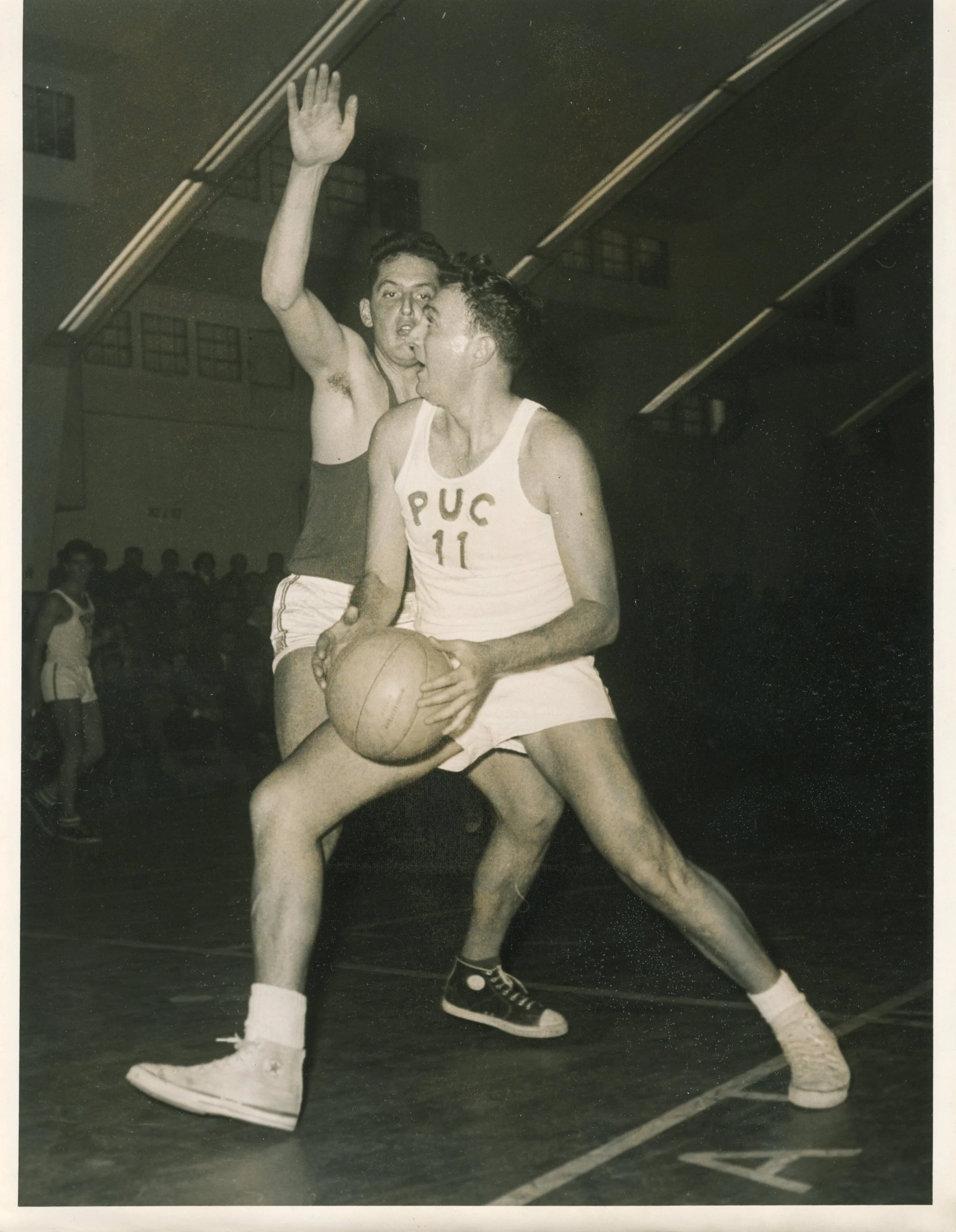
Playing for and later coaching Paris Université Club (PUC), Feinberg introduced his French teammates to training drills and styles of play he had learned in the United States, specifically at the University of Michigan.
Feinberg also organized the first trips for a French side to travel to the U.S. (in 1955 and 1961), which allowed French players to:
• Observe American basketball infrastructure and hoops culture firsthand.
Study and bring back technical manuals regarding tactics and techniques.
Integrate American-style plays into their on-court arsenal.
The Shift to Verticality and Defense
In the 1960s, Henry “Gentleman” Fields—recruited by Feinberg—fundamentally altered the French style of play. At the time, French basketball was characterized as a pass-heavy “ballet on the court”.
Fields introduced:
• Verticality: He brought a “Bill Russell-style” game to France, emphasizing vertical defense and techniques that were flourishing across the Atlantic
Defensive Intensity: His presence helped PUC clinch several championships and shifted the focus toward a more defensive and athletic game.
Professionalism and Work Ethic
American players also modeled a different level of commitment to the sport. While French basketball practices in the early 1960s were typically held only twice a week, Fields demonstrated a U.S.-style work ethic, diligently practicing for hours at a time.
This cultural exchange through sports—an early form of informal sports diplomacy—helped transition French basketball from an amateur-focused activity into a more professionalized discipline.
The Era of “American Colonization”
By the 1970s and 1980s, the number of American players on French courts increased so much that French media referred to it as an “American colonization” of the game.
This era saw:
A permanent “U.S. accent” left on the French game.
The introduction of elite American female players, such as Hall of Famer Denise Curry, who helped evolve the women’s professional game in France.
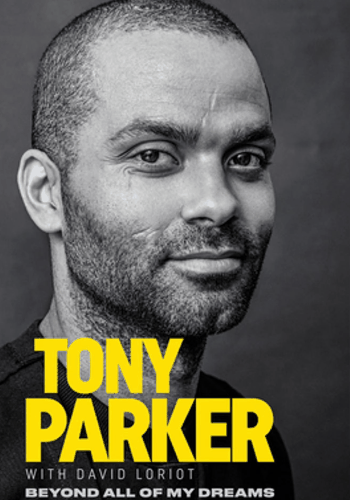
These early influences eventually reversed the flow of talent, paving the way for French stars like Tony Parker, Isabelle Fijalkowski, and Victor Wembanyama to achieve success in the NBA and WNBA
Meet Martin Feinberg, the player and coach who was one of the first Americans to mark French basketball in the 1950s.
Born April 1926 in New York, Feinberg’s family moved to Cleveland when he was young, where he grew up playing basketball. He played the 1945-46 season at the University of Michigan, where the U.S. Navy sent him to attend officer’s school (he trained as a pilot), and after serving in the Korean War, went to Paris in 1954 to attend school thanks to his G.I. bill benefits.
Martin’s Story
Although Feinberg did not go to Paris to play basketball, the game quickly found him. Once settled in the Latin Quarter, he was persuaded to try out for Paris Université Club (PUC), one the country’s elite basketball teams at the time. Coach Émile Frézot was thrilled to have a six-foot-three American and invited the 28-year old to join the team.
Feinberg’s first game was an away match in which he scored 18 points. But the larger experience was a crash-course in the hexagone’s basketball and the culture around it. As Feinberg recalled of that introduction,
“We stopped for lunch and what do I see? These guys drinking wine! We couldn’t smoke or drink alcohol when I played basketball in the United States, and these guys were guzzling wine! I was just amazed.”
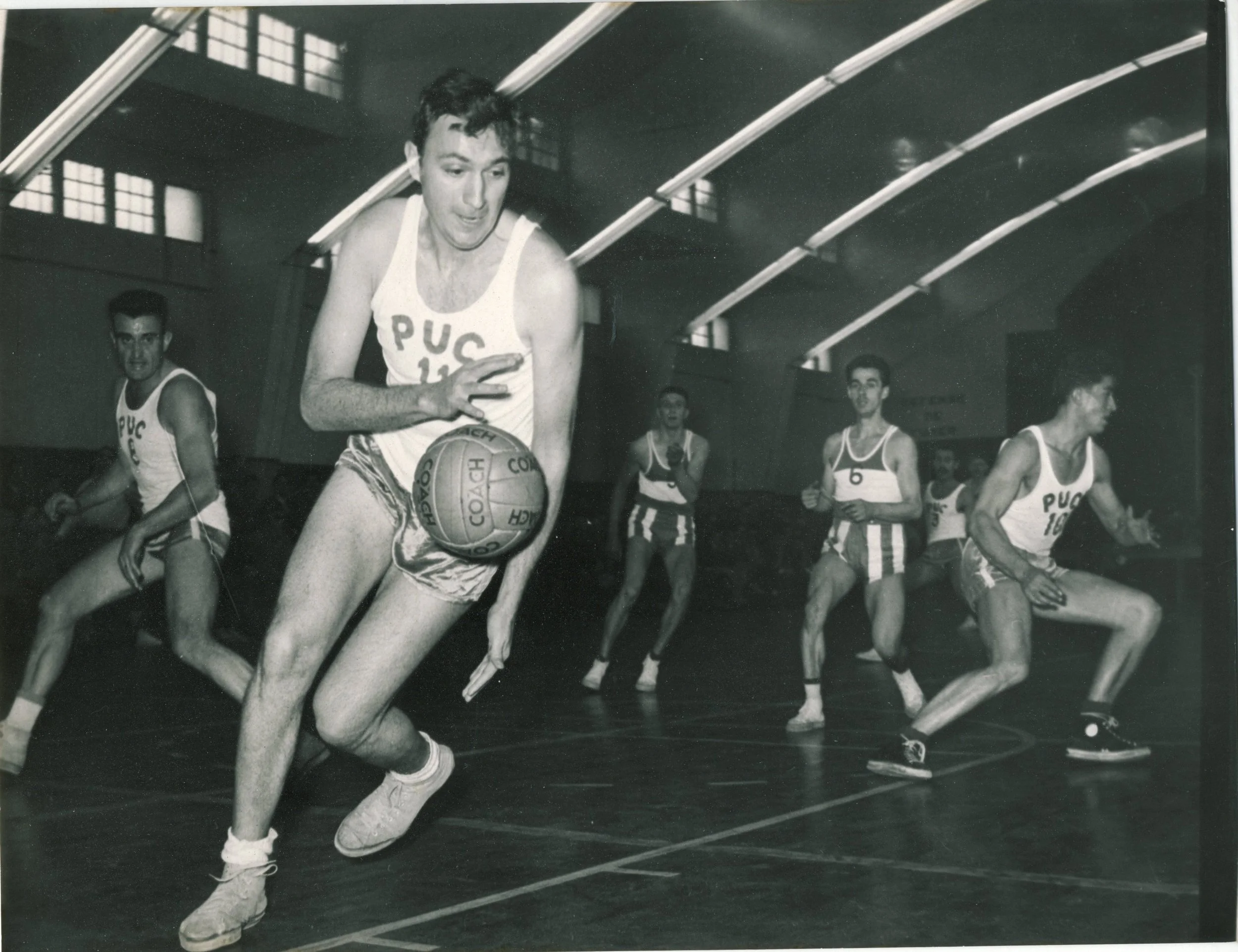
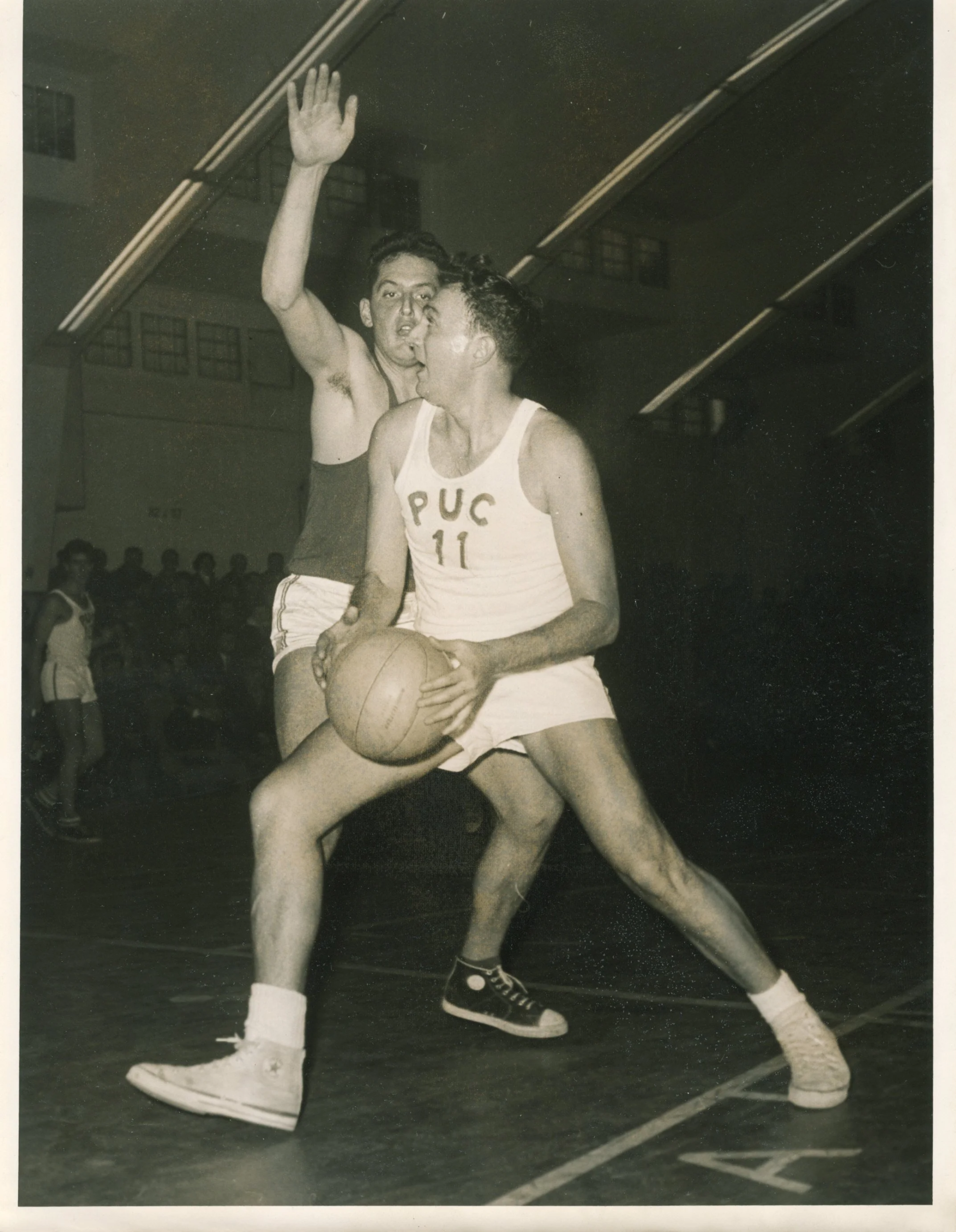
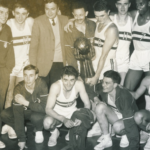
Martin Feinberg with PUC. Photo: Musée du Basket
The fan culture was very different, too. The young men who played for PUC did so alongside their university studies. Thus, their friends often filled the stands. “They had all these student songs that they sang,” Feinberg recalled. “The songs were completely anti-clerical, anti-police. But they were up for doing anything [to create atmosphere]–they did crazy things!” Whenever PUC played their inter-city rival, Racing Club de France in the Bois de Boulogne, the Bull’s Eye Orchestra played in the stands to gin up ambiance. “There was a lot going on when we played a game,” Feinberg said.
Still, the game wasn’t nearly as big as it was back home. “I didn’t see real concern about basketball being as major a sport,” Feinberg noted. That’s why he organized a trip for his teammates to the United States, the first French side to do so.
The Sports Diplomacy Connection
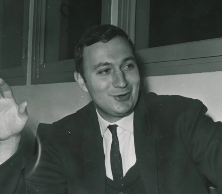
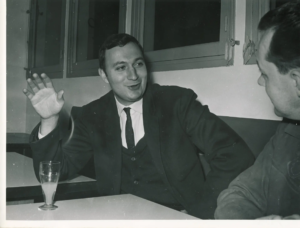
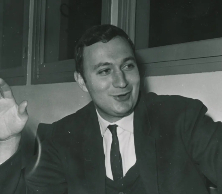
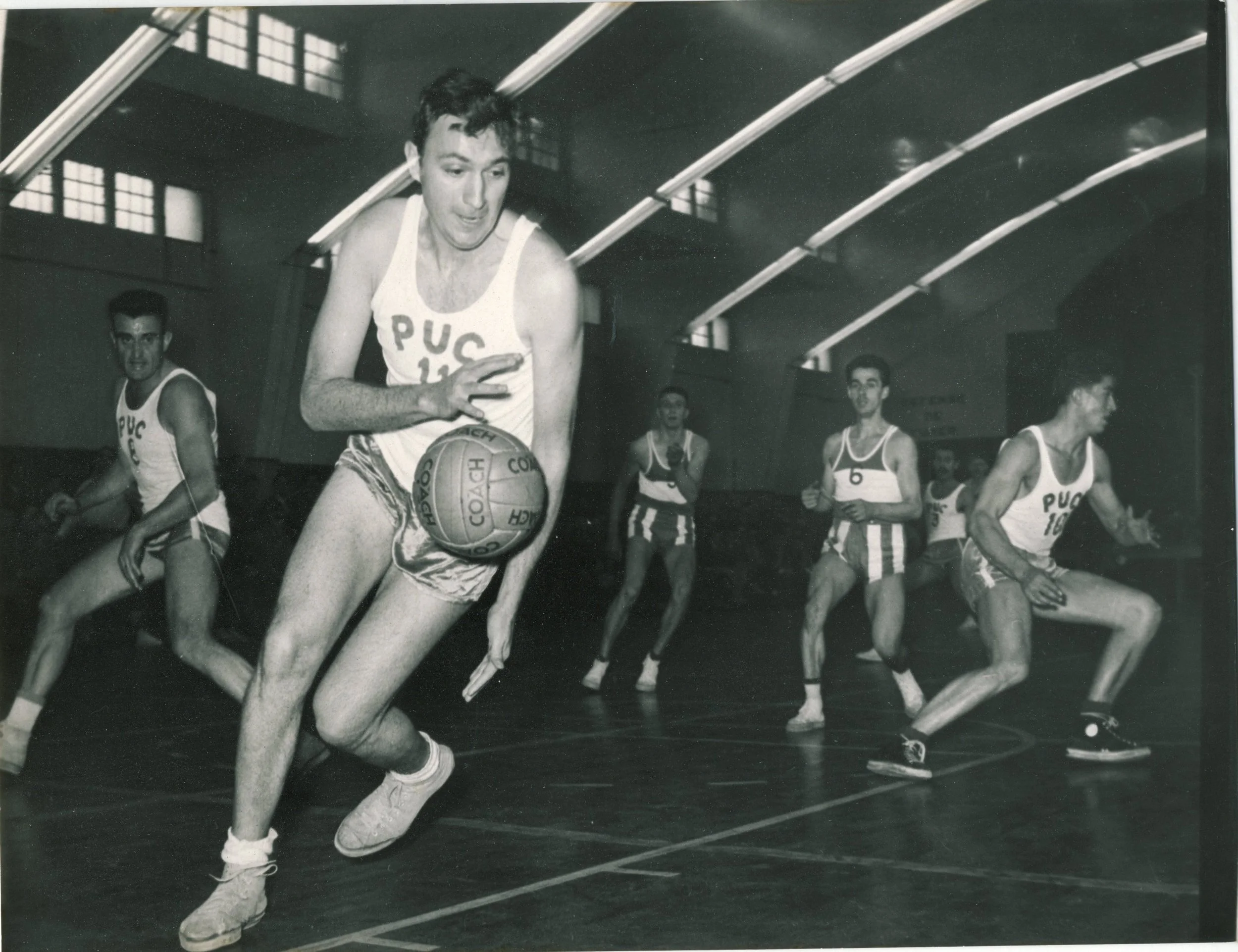
Martin Feinberg. Photo: Musée du Basket
Feinberg engaged in people-to-people cultural, technical, and knowledge exchange with PUC, especially through the two U.S. trips he organized for the team–what today we would call informal sports diplomacy.
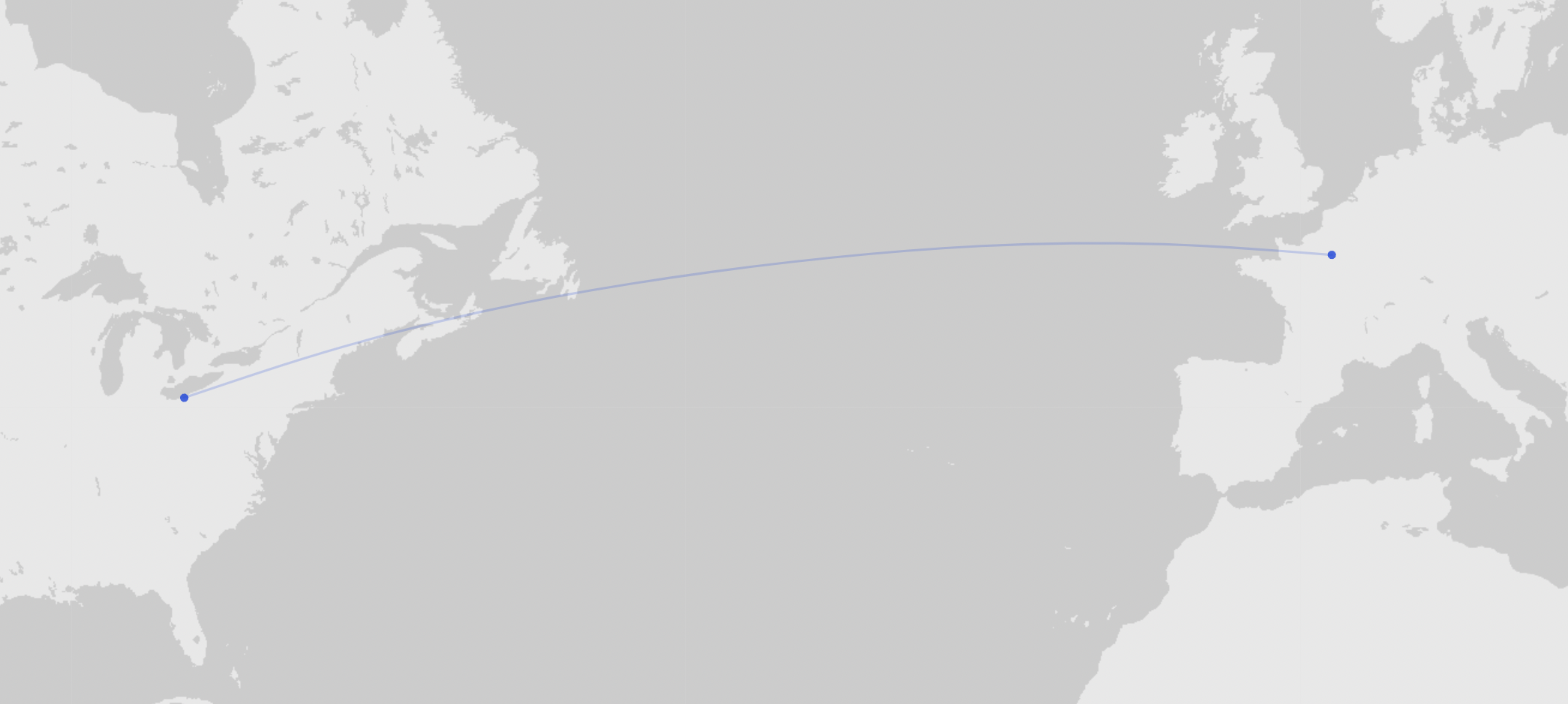
The team sailed from Le Havre for New York and arrived on U.S. soil on December 28, 1955 to experience basketball’s homeland and its hoops culture. For the following two weeks they played a series of AAU and NCAA games across the Midwest, including against Wheaton College, Lake Forrest College, Marquette University, and the University of Baltimore, among others. Their record was mixed, but that was just fine for Feinberg.
“So far as I was concerned, I was trying to teach them to have a good time, enjoy themselves, see the infrastructure of basketball in the United States and meet other students. My goal was not to win…I loved the United States and wanted them to learn about basketball and Americans.”
Six years later, as PUC’s then coach, Feinberg organized a return trip to the United States. Both times, his teammates soaked in basketball culture, styles, and sneakers. They also returned with technical manuals about techniques and tactics, which they studied and deployed. Alumni of these two trips, which included Roger Antoine, Jacques Huguet, Michel Rat, and Henry “Gentleman” Fields, went on to mark French basketball in numerous ways, just one example of how cultural exchange through sports can have a lasting impact.
French basketball legends are highlighted by NBA Hall of Famer and four-time champion Tony Parker, alongside iconic figures like Boris Diaw, Rudy Gobert, and rising superstar Victor Wembanyama. These players have defined generations of success, supported by historical legends such as Alain Gilles (“Monsieur Basket”) and modern stalwarts like Nicolas Batum.
All-Time Top French Legends
Tony Parker: Widely considered the greatest French player, a 4-time NBA champion with the Spurs and 2007 NBA Finals MVP.
Alain Gilles: Voted France’s best player of the 20th century, a dominant force for ASVEL and the national team (1966–1981).
Boris Diaw: A versatile forward and long-time captain of the French national team, renowned for his high basketball IQ and 2014 NBA champion status.
Rudy Gobert: A dominant defensive force, multiple-time NBA Defensive Player of the Year.
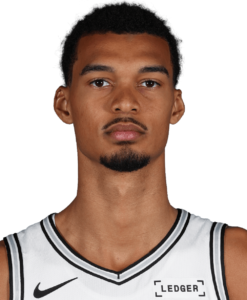
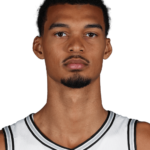
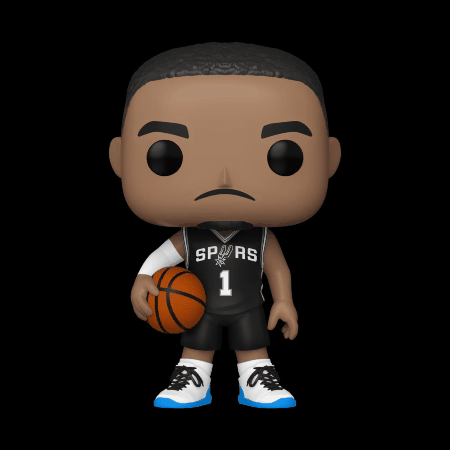
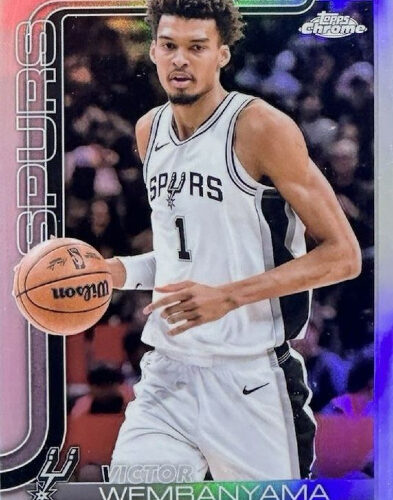
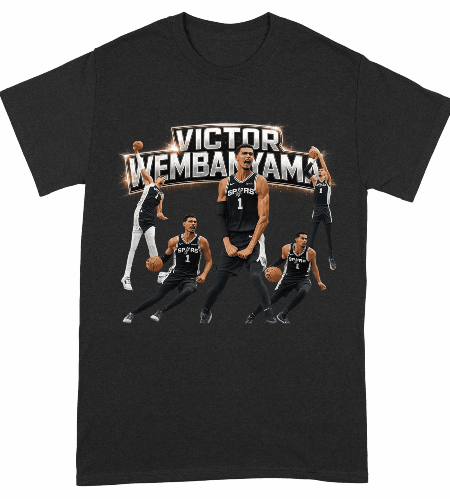
Victor Wembanyama: A 7’2″ generational talent who has rapidly become one of the NBA’s premier players, leading in blocks and showcasing immense potential.
Nicolas Batum: Known for his versatility and clutch performances, a stalwart of the national team’s success.
Antoine Rigaudeau: Considered one of the best European guards of his era, nicknamed “Le Roi” (The King).
Richard Dacoury: A dominant player in the 1980s and 90s, crucial to France’s international efforts during that era.
Key Contributors & Modern Stars
Nando de Colo: A decorated EuroLeague legend and key guard for the national team.
Evan Fournier: A consistent scorer for France in major international competitions.
Ronny Turiaf: NBA champion and tenacious defender.
Joakim Noah: Known for his high-energy play and defensive impact in the NBA.
These players have built a strong legacy for French basketball, transitioning from national successes in the 20th century to becoming a consistent powerhouse in the NBA and international FIBA competitions.
Top French Women Basketball Players
• Paoline Ekambi: In 1984, she became the first Frenchwoman to play at the NCAA Division One level, starting for Marist College.
• Katia Foucade: She was another early collegiate standout, serving as a multi-year co-captain for the University of Washington Huskies.
• Isabelle Fijalkowski: She made history in 1997 as the first French player to compete in the WNBA.
• Sandrine Gruda: While following the earlier pioneers, she achieved a major milestone by becoming the first Frenchwoman to win a WNBA Championship in 2016 with the Los Angeles Sparks.
The sources also note that during this same era in the 1980s, the flow of talent was reciprocal, as American female players like Hall of Famer Denise Curry began playing professionally in France.
Would you like me to create a tailored report on the history of French players in the WNBA and NBA, highlighting these first transitions across the Atlantic?
The Century of Basketball History That Built Wembanyama
Melvin Rideout, one of Naismith’s students and original basketball disciple, went to Paris to help set-up the YMCA’s new center at 14, rue de Trévise in 1893. The 22-year old from Illinois introduced basketball to the group’s teachers in the building’s new gymnasium, today the world’s oldest original basketball court
The links between France and basketball go back to the game’s origins. Two years after the game’s 1891 invention in Springfield, Mass., 22-year-old YMCA educator Melvin Rideout arrived in Paris to transmit the game to French counterparts. The first basketball game on European soil was held Dec. 27, 1893, in the new Paris YMCA facility at 14, rue de Trévise, which today is the oldest original basketball court in the world.
TThe game spread across Western Europe before the First World War, but it took on a new meaning during the early Cold War with Paris Université Club (PUC). This amateur club helped sow the seeds that made France a 21st century basketball breeding ground thanks to a culture of openness to outside influences
The team, composed mostly of university students from around the French capital, was one of the country’s elite of the era. It won French league titles and tournaments and featured members of the men’s national team on its roster, including longtime captain Roger Antoine, Team France’s first male basketballer with African roots. The club also traveled throughout Europe, including behind the Iron Curtain, and North Africa, exposed along the way to different styles of play.
Thanks to its cosmopolitan outlook and makeup, PUC was ground zero for integration of U.S.-influenced basketball tactics, techniques, and drills. Such efforts were due to the team’s first “American” of the postwar era, Martin Feinberg, the son of a Cleveland cab driver who arrived in Paris in 1954 to study at the Sorbonne. The tall U.S. player was rapidly recruited and introduced French teammates to some of the training drills and styles of play he learned back home, including during the 1945-46 season at the University of Michigan while he trained to be a U.S. Navy officer. Feinberg organized a trip for the team to travel to the United States—the first French side to do so—to see how differently the game was held, played, and consumed. The experience was transformative, and PUC began to integrate plays they picked up as a result of their trip into their on-court arsenal.
Several years later, another American, recruited by Feinberg, came to Paris to connect its basketball style to that flourishing across the Atlantic: Henry “Gentleman” Fields. By the 1960s, players like Boston Celtics star Bill Russell transformed the U.S. game into an ever-more vertical one, whereas its French counterpart was still centered on passes akin to a “ballet on the court.” Fields brought Bill Russell-style defense and techniques to France. Fields also modeled a U.S.-style work ethic when it came to sport; he diligently practiced hour after hour, at a time when basketball practices in France were semi-weekly.
Fields’ impact was real. PUC clinched the French championship title in 1962, and the Coupe de France trophy in 1962 and 1963. He was also integral to PUC’s 1962 return to the United States, where they again tested themselves against American counterparts and picked up new tactics, techniques, and a first-hand understanding of how racial segregation in the United States impacted the game. By the time Wembanyama’s maternal grandfather, Michel de Fautereau, began to play the first of three seasons with PUC in 1967-68, the club’s style and culture were forever marked by “their Americans” Feinberg and Fields.
Fields wove an indelible mark on the game. He later conquered hardcourts with Antibes in the 1970s, as well as imparted his Russell-style game in clinics with the French, Swiss, and German national teams. These were further examples of how individuals played important roles evolving basketball overseas thanks to cultural, technical, and knowledge exchange—examples of what today would be considered types of sports diplomacy.
Thanks in part to these early informal people-to-people exchanges, the French game changed. Although basketball migrants from across Europe, Africa, and the French Caribbean contributed significantly to France’s hoops history since the mid-20th century, the game’s U.S. accent left a strong mark. Ever-more young men from the United States played on French hardcourts in the 1970s and 1980s, leading to what French media decried as an “American colonization” of the game; in the 1980s, their female counterparts also began to dribble in France, too, including Hall of Famer Denise Curry.
As a result, the flow of players began to change in the 1980s and 1990s as young Frenchwomen and men began to cross the Atlantic to play in North America. They became NCAA Division One starters, such as Marist College’s Paoline Ekambi, the first Frenchwoman to play at that level in 1984, and multi-year co-captains like University of Washington Huskies’ Katia Foucade. In 1997, Isabelle Fijalkowski and Tariq Abdul-Wahad made history as the first French players in the WNBA and NBA, respectively, as did subsequent generations including Tony Parker, the first Frenchman to win an NBA Championship in 2003 with the San Antonio Spurs and later enshrined into the Hall of Fame (2023), and Sandrine Gruda, the first Frenchwoman to win an WNBA Championship in 2016 with the Los Angeles Sparks
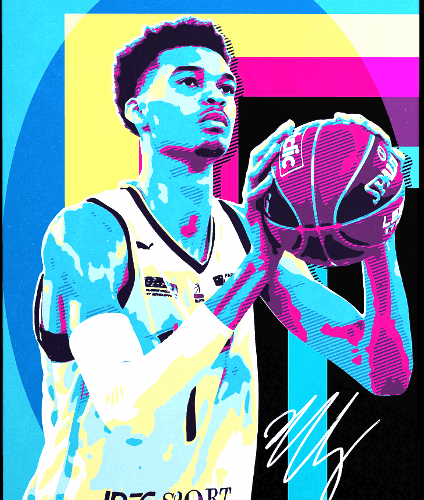
The Alien: Victor Wembanyama
Honours in selection : 🥈 Olympic Games (2024) Honours : No. 1 in the NBA Draft (2023), NBA Rookie of the Year (2024).
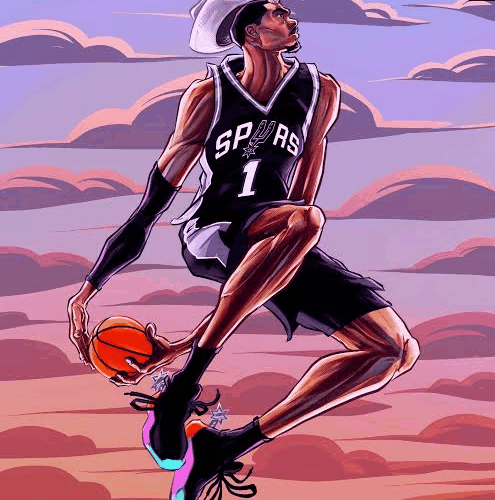
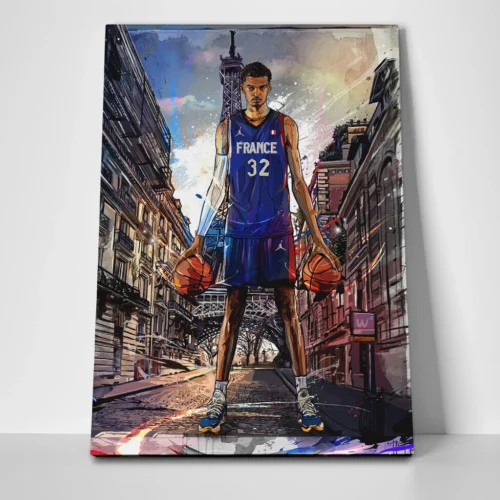
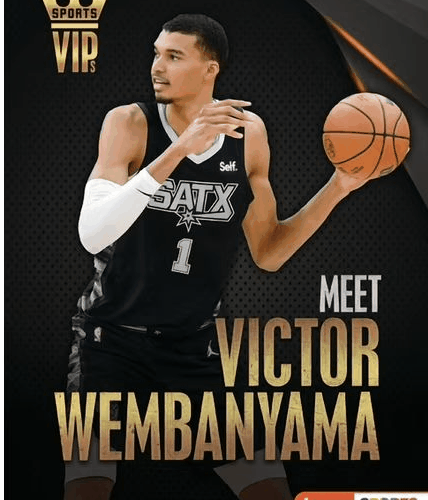
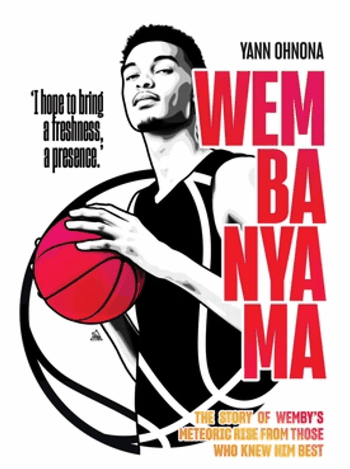
Victor Wembanyama is not yet an ‘All-Time’ player in terms of longevity or accumulated achievements, but he is already a legend in the making and a global phenomenon. His selection as the No. 1 pick in the 2023 NBA Draft is a historic event for French sport. His unique profile, combining height, mobility and skill, puts him on a potential trajectory to become, according to almost unanimous opinion, the best French player of all time, and even one of the best in the world. He represents the future and hope for French basketball, followed by a generation of talented players such as Zaccharie Risacher and Alexandre Sarr, who will be aiming for gold at the Olympics, and why not do so in front of our American friends in LA in 2028. Go Wemby.
Michel de Fautereau, the maternal grandfather of Victor Wembanyama, played for the Paris Université Club (PUC) for three seasons, beginning in 1967-68. His time at the club influenced his family’s basketball lineage by immersing him in an environment that was “forever marked” by American tactical and cultural influences.
A Foundation of American Techniques
By the time de Fautereau joined PUC, the club had already become “ground zero” for the integration of U.S.-influenced basketball tactics, techniques, and drills. These were introduced by American pioneers Martin Feinberg and Henry “Gentleman” Fields, who shifted the French style from a horizontal “ballet” to a more athletic, vertical game. De Fautereau was trained within this specific “U.S. accent,” which emphasized a rigorous work ethic and modern defensive strategies.
The “Breeding Ground” for Generational Talent
The influence of de Fautereau’s experience at PUC extended to future generations in several ways:
• Culture of Openness: PUC’s “culture of openness to outside influences” helped sow the seeds that transformed France into a “21st century basketball breeding ground”.
• Professional Legacy: This early exposure to high-level, American-style preparation contributed to a family foundation in a sport where France eventually became a powerhouse, producing stars like Tony Parker and, ultimately, de Fautereau’s grandson.
• The Rise of Wembanyama: The historical exchange of knowledge at PUC is cited as a factor in the development of Victor Wembanyama, a “global phenomenon” whose “unique profile” of height and mobility reflects the “verticality” first introduced to the club decades earlier.
Ultimately, de Fautereau’s tenure at PUC connected the Wembanyama family to a pivotal era of “informal sports diplomacy” that professionalized the French game and paved the way for his grandson to become the No. 1 pick in the NBA Draft
French Basketball Stars
Alain Gilles : The Original Legend
National team honours : 177 caps for France (1966–1981) Club honours : 8x French champion with ASVEL, 2x French Cup winner, voted France’s best player of the 20th century.
Alain Gilles is the leading figure in 20th-century French basketball. Nicknamed ‘Monsieur Basket’, he dominated the national championship for two decades with ASVEL. His club achievements are unrivalled, making him a Lyon legend.
More than his titles, it is the unanimous praise for his talent and commitment that sets him apart. Voted Best French Player of the 20th Century by a panel of journalists and coaches, he is a symbol of quality and longevity in the pre-NBA era. The trophy awarded to the best French player of the year now bears his name, an eternal tribute.
THE CROWNING MOMENT IN FRANCE’S BASKETBALL HISTORYTHE RESULT OF MANY INCLUDING MARTIN FEINBERG
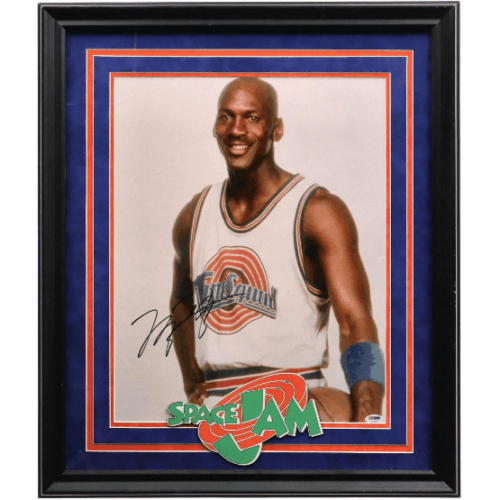
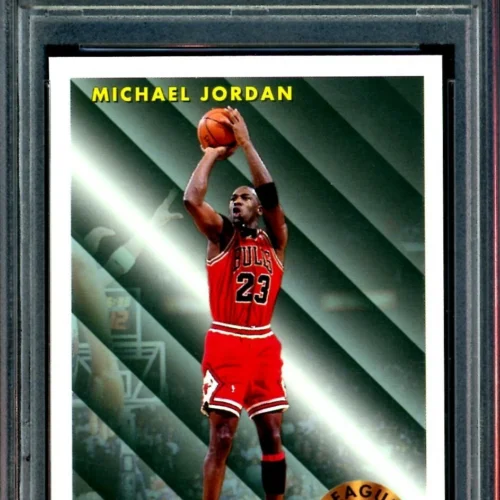
Surprisingly, both the Italian and Spanish champions, traditional European powerhouses Benetton and FC Barcelona, lost their preliminary stage games and were forced to battle for 5th place. The Chicago Bulls instead led by Michael Jordan, and without Scottie Pippen managed to win their semifinal game against the hosts PSG Racing coached by Božidar Maljković, by 89–82. In the final game Chicago Bulls faced European champions Olympiacos Piraeus. The Greek side coached by legendary Serbian coach Dušan Ivković proved stronger than PSG Racing, but the Bulls pulled the best of their abilities and cruised to an easy 104–78 win.[3]
The tournament was noted for having more than 1,000 journalists from 54 countries covering it, more than the previous NBA finals.[4] It was mentioned in an early episode of the documentary miniseries, The Last Dance.
Basketball was invented by Dr. James Naismith, a Canadian physical education instructor, in December 1891 at the YMCA Training School (now Springfield College) in Springfield, Massachusetts. He devised the game using peach baskets as hoops and a soccer ball, writing the original 13 rules himself.
The Challenge: Luther Gulick, the school’s director, asked Naismith to invent a new indoor game to keep students active during cold New England winters.
The First Game: Played on December 21, 1891, using peach baskets nailed to the gym balcony and a soccer ball, with rules like no running with the ball
.
The Rules: Naismith’s initial rules emphasized passing and limited physical contact, laying the foundation for modern basketball.
Some say Naismith devised the game to create a less injury-prone indoor sport for winter.
Currently, national emergency care room statistics in the U.S,A. would prove his failure in that regard. Basketball injuries rank in the top three events causing injury requiring medical attention to youth in the United States. Basketball mishaps are not far behind skateboard injuries requiring emergency medical attention.
Others have said, Naismith was in the pedagogic care of an exceptionally unruly hyper-active group of young men that needed a winter time activity to direct their youthful energy in a positive manner. Perhaps, the instructions to create a suitable activity from Luther Gulick , who was dealing with the discipline of the school, supports this claim.
Another key to understanding the start of the game is in the name of its inventor, Doctor Naismith. James was not a medical doctor, he held the highest advanced degree in the studies of physical education. Naismith was attempting to put that education into practical action.
This online narrative, ‘Michael and the Cricket’ proposes what has propelled the game of basketball forward and into the hearts and minds of so many players was evident at the games initiation.
There was something unexplainable happening … …
Spread of the Game: Naismith spread the game nationwide through the YMCA network, and it became an Olympic sport in 1936.
…………………………….
Throughout the first half of the 20th century, the YMCA was a nationwide organization with local programs in various sports.
Young Men’s Christian Association, a global non-profit organization founded in London in 1844 to provide safe spaces, spiritual support (Bible study), and social programs for young men during the Industrial Revolution, though it now serves everyone with diverse community, fitness, and youth programs.
Key points about the YMCA:
Started by George Williams as a refuge from harsh city conditions for young men working long hours.
Expanded from its Christian roots to become an inclusive organization open to all people, regardless of age, race, or religion, offering secular services.
Offers health & fitness centers, sports leagues, childcare, camps, and community development programs
Focuses on youth development, healthy living, and social responsibility, embodying Christian principles in practice …………………………..
Why? This is the key question that directs to an important aspect of the game. What made tossing a ball into a peach basket so appealing. Further, why was it interesting to other YMCA organizations.
………………………………….
The answer to reaches into where we are headed in this online book. The …
We can not verify that the voice or words in the above video are actually the words spoken by Dr, Naismith.
However, we are certain beyond any doubt about his personal proclamations and the facts about the game’s creation. Those facts are well documented. As a man with a Doctorate in Education, Naismith, documented every detail in writing. His writing still exist.
If it is his voice, he confirms the delinquent rowdy and rough behavior of the boys.
THE POINT IS THAT THE GROWTH OF THE GAME OF BASKETBALL IS PARTIALLY DUE TO THE FACT THAT IT HAS ALWAYS APPEALED TO YOUTH OF A CERTAIN, … … … SHALL WE SAY, ROUGH NATURE!
… is this not also why the game appealed to fans. Who among us doesn’t watch a fight in the school yard …
BASKETBALL IS AND HAS ALWAYS BEEN A ‘CONTACT’ SPORT THAT PEOPLE LIKE TO WATCH.
This instantly supports the narrative of this Online Website Book.
ENJOY PRESENTATIONS ON THOSE WHO FLOURISHED IN THE GAME
... ... the youth who have usurped the game of Basketball
... ... & the bygone who set the foundation for the sport







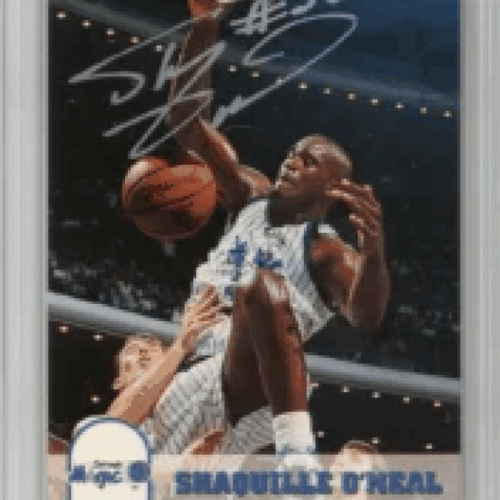








Shaquille O’neal – The Diesel